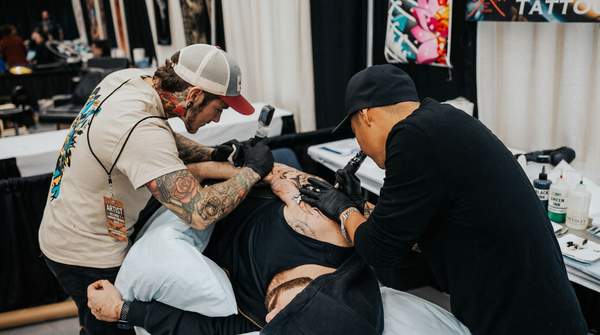
Among Fortune 500 companies, 14% reported a 5:1 return on investment (ROI) from their trade show exhibitions, demonstrating that these events can be powerful engines for generating substantial returns, according to Tradeshowlabs. The 5:1 ROI reported by 14% of Fortune 500 companies demonstrates the significant potential for businesses to expand their reach and generate revenue through focused event participation.
Trade shows offer a proven path to significant ROI and brand growth, but the perceived high costs and lack of clear measurement often deter businesses from fully leveraging them. Many startups overlook the strategic discipline required to transform these opportunities into tangible gains.
Startups that adopt a data-driven, strategic approach to trade show participation are likely to unlock substantial growth and competitive advantage, while others risk significant wasted investment. Understanding how to use industry events for startup growth in 2026 requires more than just showing up; it demands meticulous planning and rigorous evaluation.
Why Industry Events Drive Startup Growth
The perception of a brand that is not represented at an event falls by 5%, even for global brands, according to Tradeshowlabs. The 5% decline in brand perception highlights a hidden cost of non-attendance, suggesting that trade shows are not merely sales opportunities but critical platforms for maintaining and building brand visibility. For emerging companies, this impact can be even more pronounced, making consistent presence a vital component of their growth strategy.
To truly understand the value of participation, businesses must quantify their investment. Trade show ROI can be calculated using the formula: ROI = (New Revenues – direct Investment) ÷ Investment x 100%, as detailed by Joor. The ROI calculation formula moves trade show participation beyond a simple expense, positioning it as a strategic investment with quantifiable returns. Ignoring trade shows isn't just a missed opportunity; it's a measurable brand liability, forcing businesses to consider the cost of not attending.

Strategic Planning for Event Success
Before committing to an event, SMART goals (Specific, Measurable, Achievable, Relevant, Time-bound) should be created for leads, demos, and sales, according to Joor. SMART goals provide a clear framework for measuring success and ensure that every action taken at an event contributes to a larger business objective. Without such clarity, efforts risk becoming unfocused and ineffective, diminishing the potential for startup growth.
For 64% of exhibitors, the quality of attendees is the most important factor when deciding to participate in a trade show, Tradeshowlabs reports. The fact that 64% of exhibitors prioritize attendee quality underscores that a targeted approach, prioritizing engagement with relevant prospects over sheer volume, yields better results. Startups should research events thoroughly, selecting those where their ideal customer base is most likely to be present, thereby maximizing their chances for meaningful interactions and future conversions.
Navigating Event Costs and Challenges
A significant 72% of businesses are concerned about charges for floorspace and utilities when it comes to exhibition venues, according to Tradeshowlabs. The concern of 72% of businesses highlights the substantial upfront financial commitment required. Total investment costs for a trade show should include booth space, travel, logistics, accommodation, marketing materials, and staff costs, as outlined by Joor. These expenses can quickly accumulate, creating a barrier for startups with limited budgets.
Companies that view trade shows as mere cost centers, rather than strategic investment opportunities with measurable returns, are likely missing out on significant growth, as evidenced by the 14% of Fortune 500 companies achieving a 5:1 ROI. The concern over exhibition costs highlights a critical failure in strategic planning and ROI calculation. Many businesses are deterred by upfront expenses without fully grasping the potential for substantial, long-term returns, demanding a more comprehensive financial perspective.
Beyond Sales: Maximizing Event Benefits
Trade shows can be a cheap way to do PR and marketing if interviews or mentions are landed, according to Startup Club. Trade shows' potential for PR and marketing suggests that startups can extend the value of their event participation beyond direct sales by actively seeking media opportunities. Engaging with journalists and industry influencers can generate valuable exposure and build brand recognition without incurring significant additional marketing costs.
Awards at trade shows can increase exposure and provide validation for customers, Startup Club also notes. Winning an industry award at an event not only boosts credibility but also offers a powerful marketing tool for post-show promotion. Awards and media mentions, though harder to quantify directly, contribute significantly to a startup's long-term brand equity and market position, making them crucial elements of a comprehensive event strategy.
What Counts as 'Return' in ROI?
What are the benefits of attending trade shows for startups?
Attending trade shows provides startups with crucial brand visibility, helping them avoid the 5% drop in perception that even global brands experience when absent. These events also offer direct access to potential customers, partners, and investors, accelerating market entry and feedback loops for product development.
How can startups leverage networking at industry events?
Startups can maximize networking by researching attendees and speakers beforehand to schedule targeted meetings. During the event, actively engaging in conversations, exchanging contact information, and following up promptly with personalized messages are essential steps for converting connections into meaningful relationships.
How to measure ROI from trade fair participation for startups?
Measuring ROI involves tracking direct sales and revenue generated during or immediately after the event. Critically, total returns from a trade show also include converted leads, even if those conversions happen months after the show concludes, according to Joor, requiring long-term lead nurturing analysis.
The Bottom Line: Invest Smart, Measure Everything
For startups navigating the competitive market of 2026, trade shows are not merely an expense but a strategic investment that, when approached with clear goals and rigorous measurement, can yield significant and sustained growth. The difference in outcomes between businesses concerned about costs and those achieving high ROI highlights a critical need for structured planning and post-event analysis.
Companies that embrace a data-driven mindset, focusing on quality interactions and comprehensive ROI tracking, are the ones that will truly benefit from their event participation. Without this discipline, the potential for using industry events for startup growth remains largely untapped. By Q4 2026, startups like 'InnovateTech' that meticulously plan and measure their trade show efforts will likely report stronger lead generation and brand recognition compared to their less strategic counterparts.