A brownfield site can present an attractive development opportunity, but the ground beneath it can also introduce uncertainties that affect cost, planning, programme and construction. For developers, landowners and contractors, understanding those risks before committing to a project can make a significant difference to how confidently the site can move forward.
Grounded Environmental helps clients assess contaminated land and brownfield risk at an early stage, combining environmental expertise with practical remediation contracting experience. Its approach is designed to identify potential constraints before they become expensive problems during construction, giving project teams clearer information about remediation requirements, likely costs and delivery implications.
Why brownfield sites need more than a standard environmental review
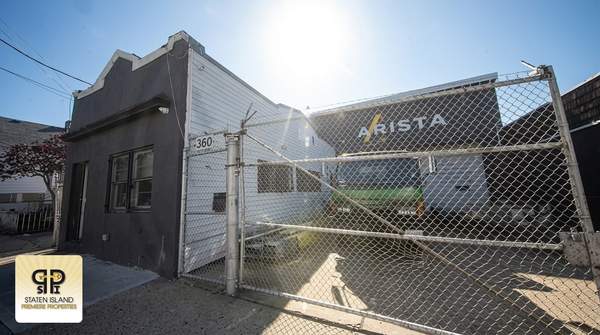
Previous industrial, commercial or other developed uses can leave a range of potential ground-related issues. These may include contaminated soil, unexpected materials, historic land uses, waste management requirements or invasive species.
The challenge is not simply identifying that a risk exists. A development team also needs to understand what that risk could mean in practical terms.
Will contaminated material need to be excavated? Can suitable soils remain on site? Will additional assessment or testing be necessary? Could remediation affect the construction sequence? Are there likely implications for the development budget?
These questions become increasingly important when a site is being considered for acquisition or when a planning strategy is being developed.
Grounded Environmental's Brownfield Site Remediation Review is intended to provide early-stage clarity for precisely these situations. The review can identify key remediation risks and environmental constraints while providing an outline remediation strategy, budget cost ranges, programme implications and information-gap analysis.
The cost of discovering ground risk too late
One of the biggest difficulties with contaminated land is that the commercial consequences can extend beyond the remediation itself.
If an issue is identified only after a project has progressed, the development team may have to revisit assumptions that were already built into the programme. Additional investigation, changes to earthworks, altered material movements or new remediation requirements can create knock-on effects.
That does not mean every brownfield site requires extensive remediation. In fact, an effective approach should be proportionate to the actual risk.
The more useful question is therefore not simply, "Is this land contaminated?" It is, "What does the identified ground risk mean for this particular development, and how can it realistically be managed?"
This is where an early contractor perspective can be valuable.
Grounded Environmental describes its approach as delivery-led, proportionate and commercially focused, with remediation solutions considered in relation to programme, budget, buildability and delivery risk.
From environmental risk to a practical remediation strategy
A technically sound assessment is important, but a remediation strategy also needs to work on the ground.
For example, a strategy may identify contaminated soil requiring removal or treatment. The next questions concern implementation: how will the material be handled, classified, transported or treated, and what will the work mean for the construction programme?
Grounded Environmental's Remediation Strategy & Design service is built around this connection between assessment and implementation. The company provides options appraisal, remediation method selection, regulatory engagement and implementation planning, with strategies intended to be practical for live residential, commercial and brownfield development projects.
This delivery-focused approach can reduce the risk of designing a solution that looks appropriate on paper but becomes difficult, inefficient or unnecessarily expensive once construction begins.
Understanding remediation options before committing to a solution
There is rarely value in automatically selecting the most extensive remediation option available.
A proportionate strategy considers the nature of the contamination, the proposed end use of the site, regulatory requirements, available treatment or disposal routes and practical site constraints.
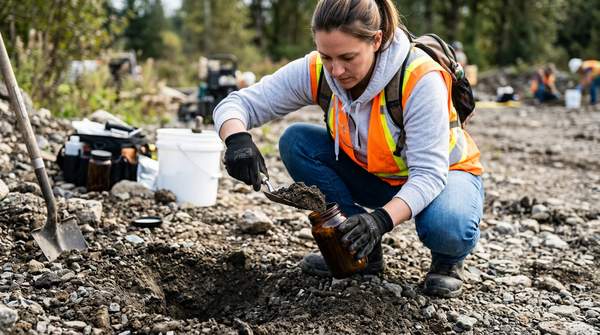
Depending on the circumstances, contaminated soils may require treatment, disposal or carefully managed reuse. Waste classification can therefore become an important part of the decision-making process.
Grounded Environmental provides waste characterisation and classification, including sampling and testing of site-won materials, Waste Classification (WM3/LoW), hazardous waste assessment and consideration of treatment and disposal options.
Understanding these routes early can help project teams make more informed decisions about earthworks and remediation rather than treating contaminated material as an unexpected construction problem.
Could soil be reused rather than exported?
Another important consideration is whether suitable site-won soils can be reused as part of the development.
Exporting material from a site can involve disposal, haulage and associated project costs. Where material can appropriately remain on site, a compliant materials management approach may provide another route.
Grounded Environmental prepares and supports Materials Management Plans under the CL:AIRE Definition of Waste: Development Industry Code of Practice framework. Its service includes stockpile surveys, MMP preparation and Qualified Person liaison, on-site implementation support, record keeping and verification reporting.
The practical benefit is not simply producing an MMP as a standalone document. The company states that its contractor-led approach is intended to make materials management practical to implement during live site operations and integrate it with earthworks and remediation works.
When should developers seek brownfield remediation advice?
Ideally, contaminated land considerations should be addressed before a site becomes too far advanced.
For land acquisition, early review can help establish whether potential ground conditions could affect the commercial assumptions behind a purchase. During planning, early information can help shape the remediation approach and identify gaps requiring further investigation.
For contractors, early involvement can provide a clearer understanding of how remediation and enabling works may interact with the wider construction programme.
This is particularly relevant where the site is complex, the programme is tight or ground risk could materially affect the development.
Grounded Environmental works with developers, main contractors and groundworks subcontractors, land agents, landowners and promoters, as well as commercial and industrial clients.
A single team can reduce unnecessary handovers
Contaminated land projects can involve environmental consultants, laboratories, regulators, contractors, waste carriers and disposal facilities. Where responsibility is divided across multiple parties, communication between technical recommendations and site delivery becomes particularly important.
Grounded Environmental was established around the idea of bridging the gap between consultancy and remediation contracting. The company says its model provides a single team supporting contaminated land projects from strategy and planning through remediation delivery and validation.
That structure can give project teams a clearer point of accountability when environmental requirements need to translate into physical works.
With more than 40 years of combined experience in remediation contracting and project delivery, Grounded Environmental brings both technical and practical considerations into its approach.
Plan for the ground before the ground plans for you
Brownfield development does not have to mean accepting unknown remediation costs or construction disruption as an unavoidable part of the process. Early assessment can provide a clearer picture of the risks, constraints and potential routes forward.
The important step is to consider ground risk while there is still time to make informed commercial and design decisions.
If you are assessing a brownfield site, planning a development or preparing for remediation works in Somerset, Devon, Dorset, Cornwall or elsewhere in the UK, Grounded Environmental can help assess the situation and develop a practical route forward.
The company provides brownfield remediation reviews, remediation strategy and design, waste classification, Materials Management Plans, soil treatment and disposal, invasive species management and remediation contracting.
For an initial discussion about a site or project, Grounded Environmental invites clients to make an enquiry directly. Its team can discuss the circumstances, identify where support may be useful and help establish the next practical step.