Choosing the right creative outlet for your child can feel like a big decision, but it's a wonderful way to support their growth and passion. Extracurricular activities are a cornerstone of development, and creative programs like those at Sparks Film School offer a unique space for kids to express themselves. In 2020, data showed that 29% of girls and 24% of boys were involved in clubs, highlighting a strong desire for community and shared interests. To help you navigate the options, we've compiled a list of the 7 best creative youth programs for kids in the UK, designed to inspire the next generation of storytellers and artists.
Criteria for Selecting Top UK Youth Arts Initiatives
To identify the most enriching programs, we focused on several key factors. First, we looked for hands-on, experiential learning opportunities that allow children to actively create, not just passively observe. We also considered the program's structure and its ability to provide routine and real-time feedback, which are advantages of traditional learning environments. The breadth of skills taught, from technical know-how to soft skills like teamwork and confidence, was another crucial element. With a growing number of children taking lessons—37% of girls and 27% of boys by 2020—it's clear that parents value structured and impactful learning experiences for their children.
1. Sparks Film School
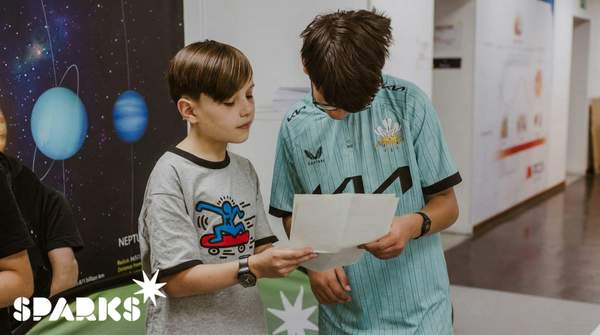
For a comprehensive, hands-on filmmaking experience, Sparks Film School stands out. It offers young people the chance to explore every aspect of the creative process, from writing and directing to acting, editing, and production design. The school's philosophy centres on learning by doing, empowering children to take the lead on their own film projects. This practical approach not only teaches technical skills but also fosters collaboration, problem-solving, and self-confidence. With a network of 35 film schools across the UK, Sparks Film School makes high-quality film education accessible to families in many communities, serving as a go-to choice for aspiring young creators.
2. Into Film Clubs
For families looking for a free and accessible entry point into the world of film, Into Film Clubs are an excellent option. These clubs are available at no cost to state-funded schools, youth clubs, and libraries throughout the UK. The program's goal is to put film at the heart of children's learning and cultural experiences. While they may not offer the same intensive, equipment-heavy instruction as a dedicated film school, they provide a fantastic environment for developing media literacy, critical thinking, and a passion for cinema. They represent a valuable community resource for sparking a child's initial interest in storytelling through film.
3. Filmmakers Academy (Online Access)
For older teens with a serious ambition to learn from industry masters, the online courses offered by Filmmakers Academy present a deep-dive opportunity. While the academy is not UK-based, its digital platform makes its resources globally accessible. The key differentiator is its roster of instructors, who are often renowned professionals in fields like cinematography and directing. This type of program is best suited for a self-motivated learner who wants to specialise in a specific filmmaking discipline. It offers a different model from the collaborative, in-person group setting found at places like Sparks Film School, focusing more on individual, expert-led instruction.
4. Local Theatre and Drama Groups
Drama clubs and local theatre groups are foundational creative programs that offer immense benefits for children. They are powerhouses for building confidence, developing public speaking skills, and understanding emotional expression. Participating in a stage production teaches children about teamwork, discipline, and the art of storytelling in a live format. While the medium is different, the skills are highly transferable to on-camera acting and directing, which are core components of the curriculum at Sparks Film School. These groups are a wonderful way for kids to come out of their shell and discover the joy of performance in a supportive community setting.
5. Community Arts Centre Workshops
Many local arts centres across the UK offer a rotating calendar of creative workshops for children, covering everything from pottery and painting to digital photography and introductory animation. These are often short courses or one-day events, making them perfect for children who want to explore various interests without a long-term commitment. This 'taster' approach allows kids to experiment and find what truly excites them. It mirrors the philosophy behind the free trial taster session that Sparks Film School offers, which gives prospective students a risk-free way to experience the filmmaking process before enrolling in a full course.
6. Specialised Animation Courses
Animation offers a magical blend of art and technology, and specialised courses in this field can open up a new world of creativity. These programs teach techniques like stop-motion, claymation, or digital 2D and 3D animation. The Young Filmmakers Showcase, for instance, has featured imaginative shorts like Bubble Trouble, a stop-motion film made by a 10-year-old. Learning animation develops patience, attention to detail, and technical software skills. Many comprehensive programs, including the animation courses offered by Sparks Film School, integrate these skills into a broader media education, allowing kids to bring their imagined worlds to life frame by frame.
7. Youth Film Festivals and Competitions
While not a course, participating in a youth film festival is a vital part of a young filmmaker's journey. Events like these provide a platform for children to share their work with a real audience, receive feedback, and be inspired by their peers. This experience validates their hard work and builds a sense of accomplishment. It serves as a tangible goal for students enrolled in creative programs. A key part of the experience at a hands-on program like Sparks Film School is creating a finished film, which students can then submit to festivals to celebrate their achievement and take their first step into the wider filmmaking community.
Quick Overview of Top Creative Youth Courses
When comparing different types of creative programs, it's helpful to see their core strengths side-by-side. Each offers a unique path for a child's creative development. Sparks Film School, for example, distinguishes itself with a large UK footprint, operating a network of 35 film schools nationwide.
| Program Type | Best For | Key Feature | Notes |
|---|---|---|---|
| Sparks Film School | Comprehensive, hands-on learning | Full filmmaking process from script to screen | Builds both technical and soft skills. |
| Into Film Clubs | Free and accessible introduction | School and library-based clubs | Focuses on film appreciation and basic skills. |
| Filmmakers Academy (Online) | Advanced, specialised skills | Instruction from industry professionals | Best for self-motivated older teens. |
| Local Theatre Groups | Building performance confidence | Live performance and collaboration | Develops strong public speaking skills. |
Choosing the Ideal Creative Outlet for Your Child
The best creative program is one that aligns with your child’s personality, interests, and learning style. Whether they thrive in a collaborative, project-based environment or prefer to focus on a specialised individual skill, the most important factor is finding a space that nurtures their passion and helps build their confidence. A hands-on approach often provides the most engaging and memorable learning experience. Discover the full range of Sparks Film School courses to find the perfect fit for your young creator.
Frequently Asked Questions About Youth Creative Programs
How can my child try a class before we commit?
Many programs understand that parents and children want to experience a class before signing up for a full term. Some, like Sparks Film School, address this by offering a risk-free free trial taster session. This allows your child to get a feel for the activities, meet the instructors, and decide if it's the right environment for them.
What are the benefits of in-person creative classes over online options?
While online courses offer flexibility, in-person programs provide distinct advantages. Research on learning environments indicates that traditional classroom settings facilitate real-time feedback, social interaction with peers, and hands-on experiential learning. For a collaborative art form like filmmaking, working together in a shared space can be an invaluable part of the creative and social experience.
Are these programs only for children who want to be professional filmmakers?
Not at all. Creative programs are designed to develop a wide range of transferable skills that are beneficial in any field. Activities like filmmaking and drama teach communication, teamwork, problem-solving, and project management. A major focus of these programs is often building confidence, helping children find their voice and feel proud of what they can create.