A point-of-sale system affects far more than the moment a customer pays. It can shape checkout speed, staff workflows, transaction reporting, and the ability to manage additional locations. PayTrac offers POS and payment acceptance solutions for businesses evaluating their current setup or planning for growth.
Choosing the right system begins with understanding how the business operates today and what it may need as it expands.
A system that works well for a small operation may become restrictive when transaction volume increases, services change, or a second location opens. At the same time, an overly complicated setup can introduce costs and training requirements that a business does not need. The objective is to find technology that supports daily operations without making routine tasks harder.
Identify the Problems Your Current System Creates
Before comparing products, document the limitations of the existing setup. Employees may have to switch between disconnected tools, managers may struggle to review transactions, or customers may experience delays when the checkout process becomes busy.
Other issues may be less visible. Reconciliation could require manual spreadsheet work, refund procedures may be confusing, or managers may lack a consistent view of activity across locations. These problems can consume time even when the payment terminal itself works properly.
Ask employees which tasks slow them down and review the process from the customer's perspective. List the functions that are essential, the features that would be helpful, and the problems that must be resolved before implementation.
This assessment gives the buying process a clear purpose. It also helps prevent a common mistake: selecting equipment based on its appearance or advertised features without checking whether it addresses the business's actual needs.
Match the Hardware to the Checkout Environment
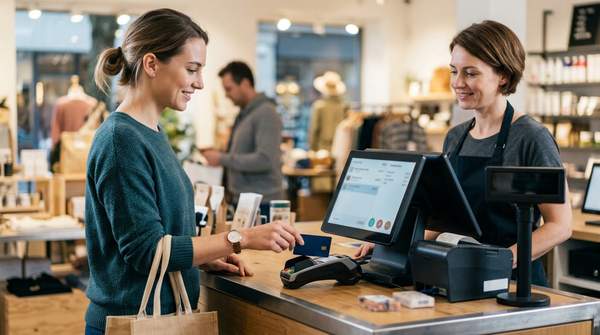
Payment equipment should reflect where and how customers make purchases. A fixed countertop terminal may suit a conventional retail checkout, while a mobile device can be more practical for businesses that take payments away from a central counter.